

Choosing the best method of financing your new car is as important as choosing the right vehicle itself. Make sure that you make the right decision by using this guide to help you understand how you can pay for that new set of wheels and to know what will be the best deal for you. Cash This is certainly amongst the cheapest options as you will not have to pay any interest. For a cheaper vehicle, however, you may want to consider using a credit card even if you do have the cash. You will then be covered by credit card protection, but you can – and must – pay off the full amount at the earliest opportunity before any interest is applied. Credit card A credit card may be your best choice if you have the finances available and you are willing to pay an APR of around 14.5 to 19 percent. When you pay with a credit card, you are automatically protected for anything that costs more than £100, which a car certainly will. This free cover means that if your car is never delivered or if it is faulty and your supplier refuses to help, you should still be able to get your money back. Some dealers will refuse to accept credit cards, however, and if they will take them, they may charge you extra. This could be as much as three percent of the value of the vehicle. Personal loan

This is one of the cheapest options as these loans will typically have an annual percentage rate (APR) of 5.7 to 12 percent. This rate will vary depending on which company you choose to borrow from and your own credit profile. Typically, the safest place to look for this kind of a loan is a reputable bank. If you’re a homeowner, many banks offer home equity lines of credit that can be used towards large purchases like cars. The loan professionals at BB&T claim that home equity lines of credit are a viable alternative to other kinds of car loans because “home equity loans and lines of credit carry lower interest rates than typical auto loans and can be repaid over a longer term”.
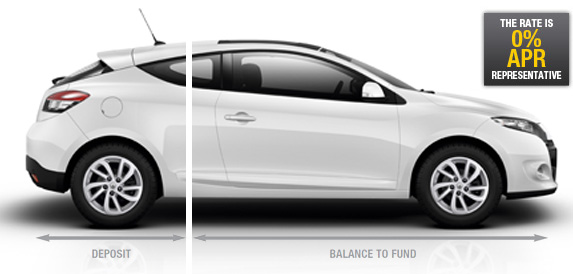
You can normally borrow up to £25,000 and once you have paid the seller, the vehicle will be yours. These loans will only be suitable for people who have a good credit history, however, and rejection can damage your credit score further. You are also likely to have to pay a fee if you choose to pay back the money you borrow earlier than agreed. Hire purchase HP is one of the simplest forms of car finance to be arranged and will generally have an APR of around 7 to 13 percent. You may need a deposit to secure the finance, and this is usually of circa 10 percent which can be a cash or part exchange deposit (or both). You will then pay regular monthly instalments, including interest, until you have paid off what you owe. Until you pay the final instalment, you will not actually own the car. This means that you will not be entitled to sell it or make any modifications to it unless you can get permission of the lender. Hire purchase agreements, though, do give you more consumer protection than may be offered by other forms of car finance, such as personal loans. Zero percent finance This type of finance will allow you to pay back the cost of your car in monthly instalments but without having to pay interest. It will only be available to people who can pay a large part of the cost of the car, often around 35 to 40 percent of its value, upfront. The term of the loan may also be shorter than other available options, resulting in higher repayments. Some dealers will not offer zero percent finance on certain cars, and you are unlikely to get a discount on the price of the vehicle if you choose this option. Leasing You will pay anything from around £100 to £400 each month to lease a car, depending what vehicle you want, how many miles you drive and how long you want to keep it. This option will either allow you to buy the car when the set term ends or you could change it for a new one and start again. You can choose between a range of different leases, including the most common closed-end and open-end varieties. Personal contract plan These plans typically offer rates of seven percent to 14 percent APR and are a popular choice with people who want to drive a new car regularly. They can generally keep repayments relatively low and will allow you to change your vehicle after a period of between two and four years. You will need to pay a deposit and be prepared to cover a lump sum at the end of the term you agree, along with paying regular instalments. At the end of your contract you can either buy the car, sell it on your own to pay the final lump sum, or give the car back. This sort of finance may work out more expensive than a hire purchase option, especially if you decide to buy the vehicle or hand it back with damage that has to be paid for by you.